
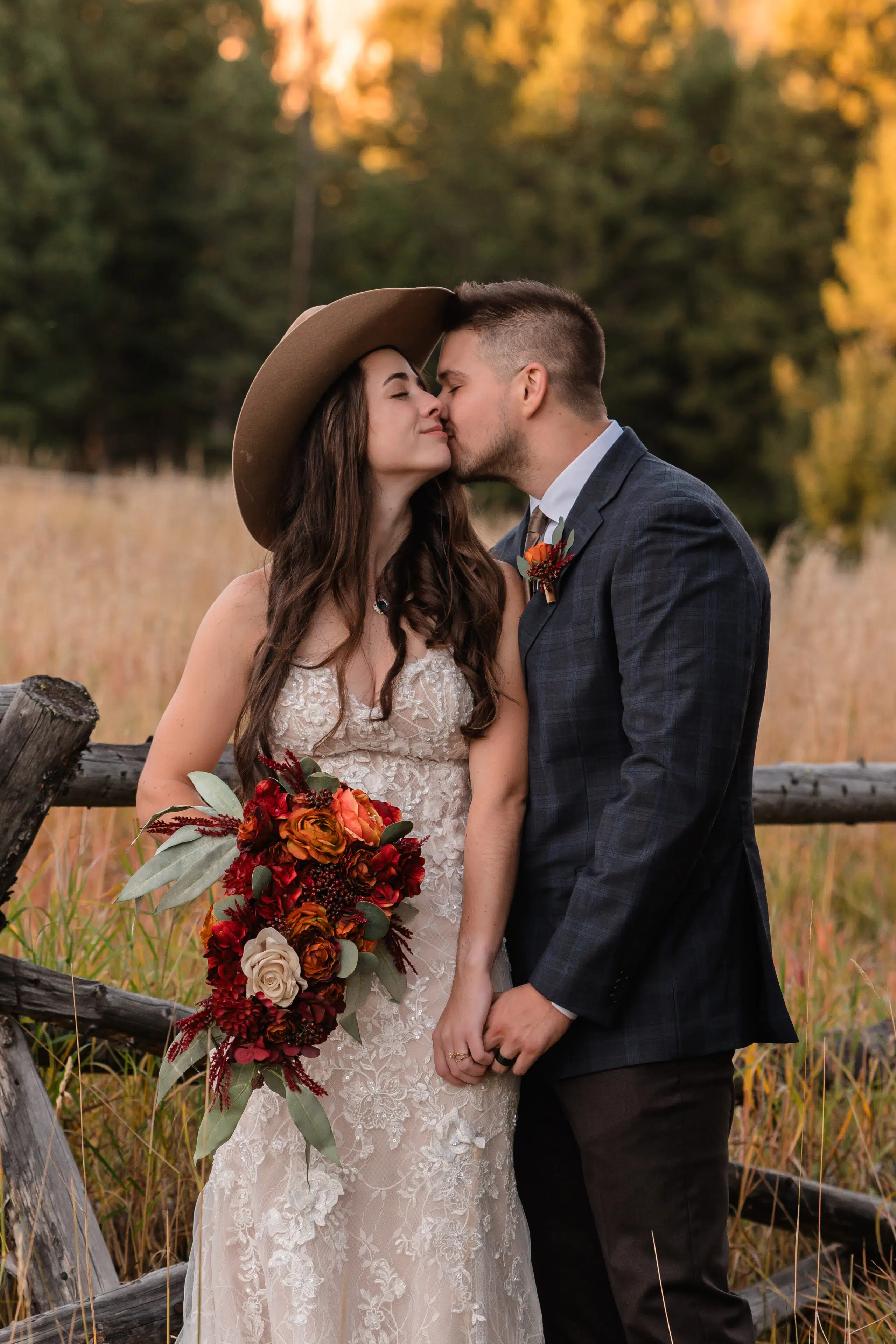
Say ‘I Do’ in Paradise!
You know how it feels when you are getting ready for a big trip, that one you have been planning for months. The bags are packed. The excitement builds as you get on your plane. During that trip, every day is a new adventure. You get to experience new locations, activities, and foods. Even after you get back you keep talking for months about what an incredible experience your vacation was. Now imagine that 100 fold. THAT is what it feels like to have a Montana Elopement!
Planning a trip with just your partner, or perhaps a small group, is a breeze, isn’t it? You huddle together or connect over a FaceTime call, discuss your plans, activities to do, and sights to see, and with each step you take in the planning process, the anticipation escalates. Now, imagine doing the same, but this time, you’re not just planning a trip—you’re planning your wedding! The thrill is the same, the process is similar, but the outcome is even more extraordinary—you’re getting married!
Why Elope in Montana
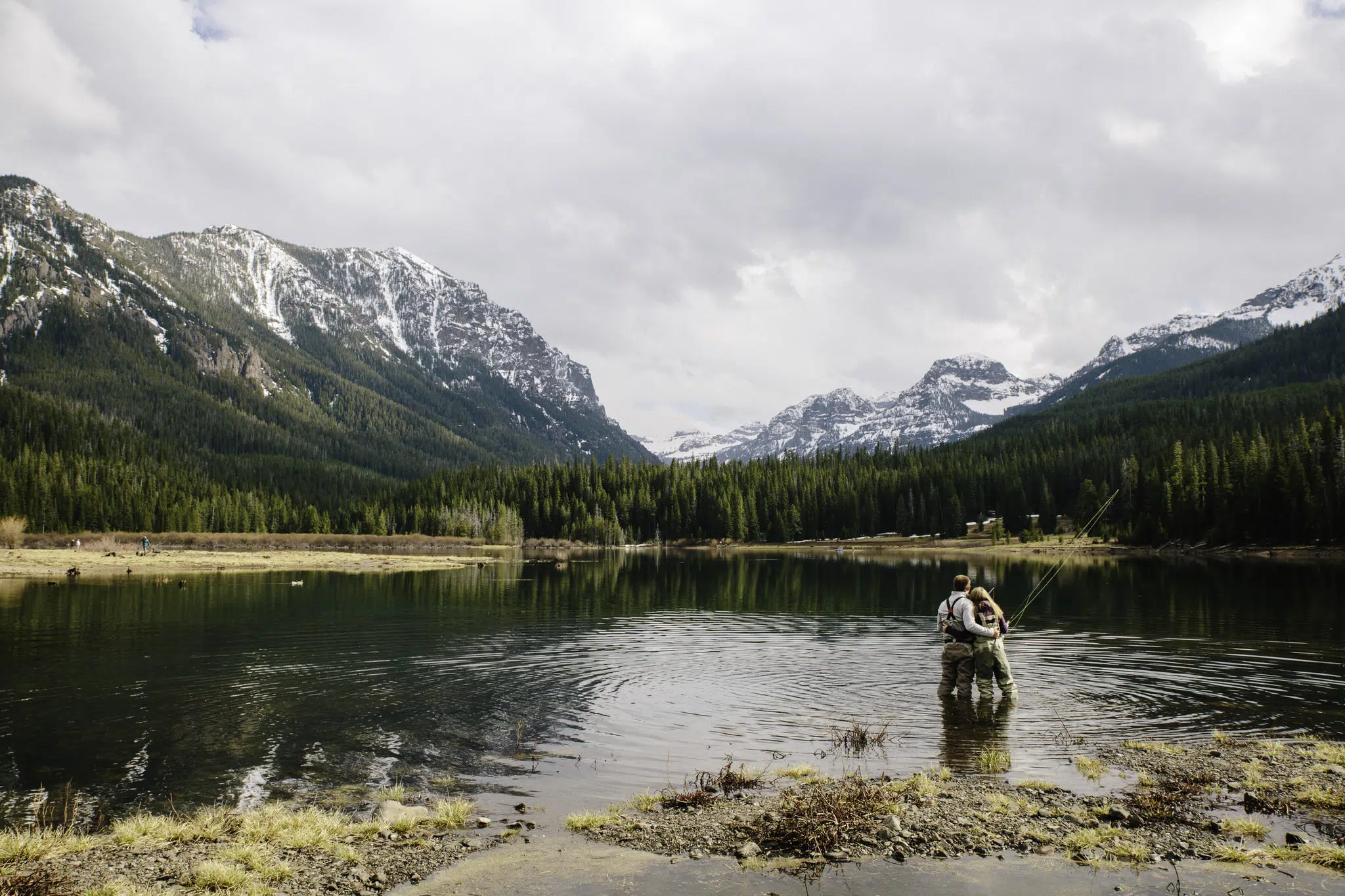
If you aren’t already sold on eloping in one of the most beautiful places in the world. Let me take a crack at convincing you. Montana is a treasure trove of natural beauty, with its sprawling landscapes, majestic mountains, and tranquil lakes.
It’s a place where love stories unfold against the backdrop of nature’s grandeur. As a photographer, I’ve witnessed firsthand the magic that Montana brings to an elopement—it’s like stepping into a painting where every moment is a masterpiece.
Montana captures the imagination. It’s no wonder Yellowstone and a River Runs Through it have captured our collective imagination. Montana is still that untouched wilderness. A place where you step outside and instantly feel small.
Eloping allows you to break free from the constraints of traditional weddings. It’s about celebrating your love in a way that’s deeply personal and authentic.
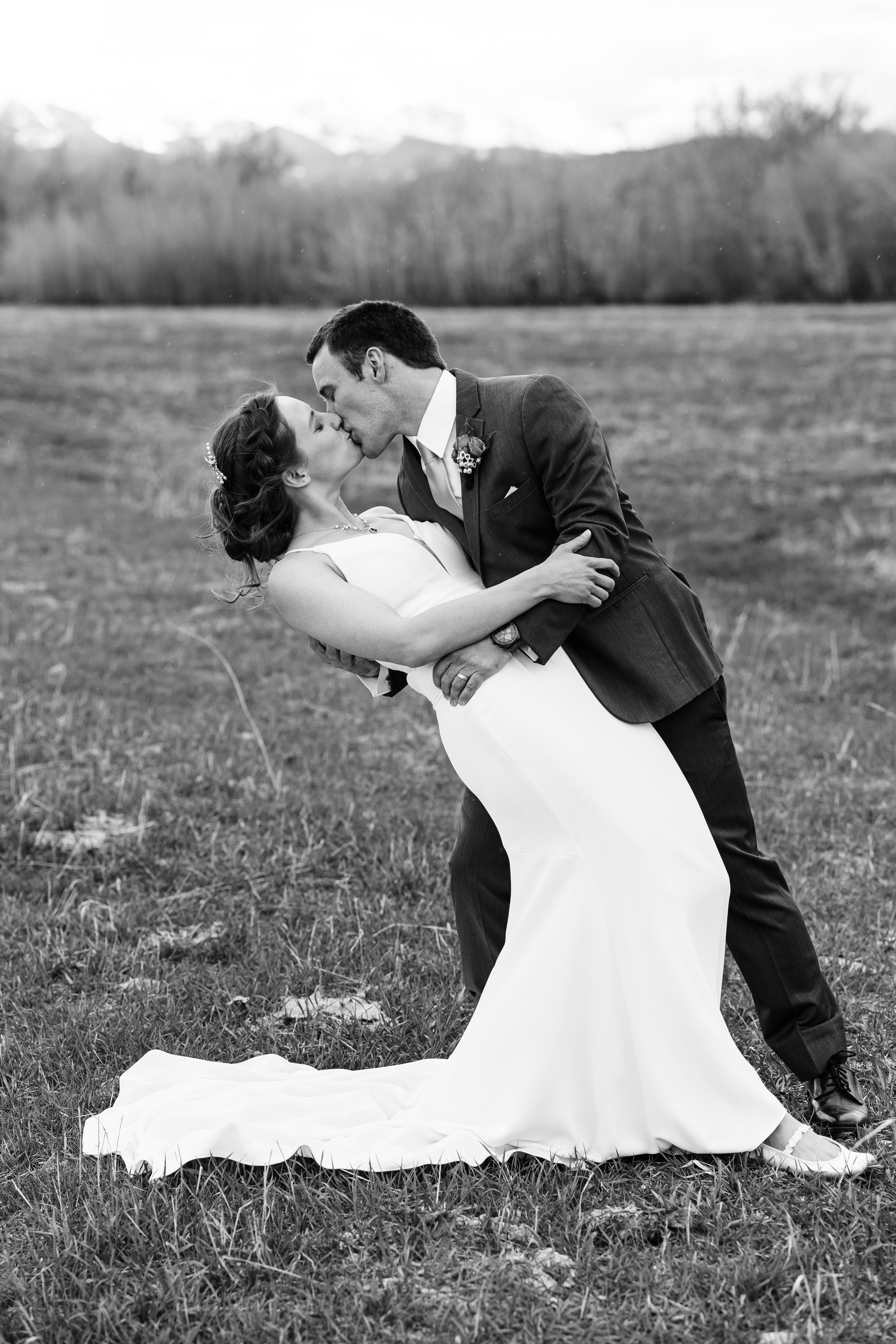
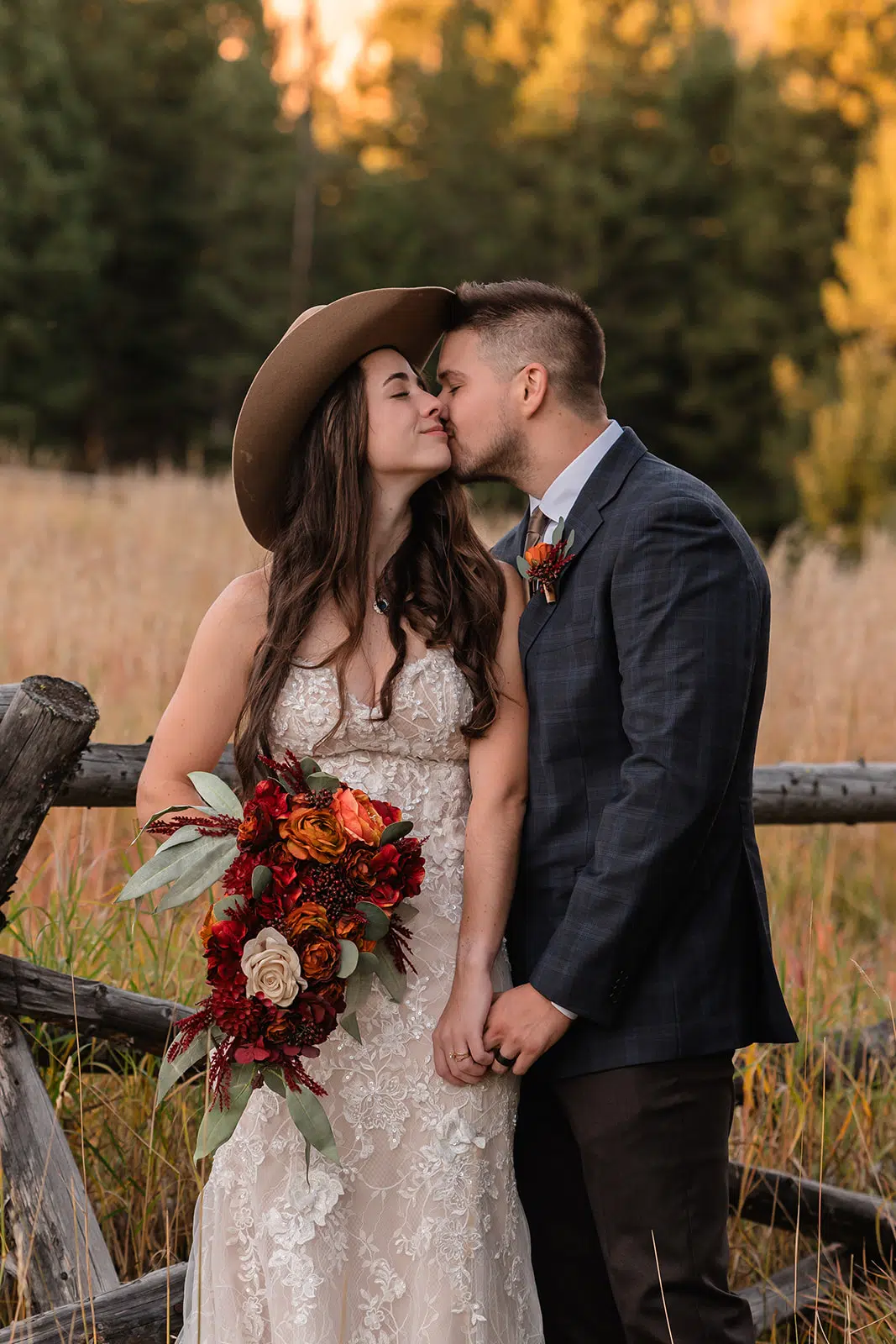
Since elopements are so small, the couples I work with rave about the experience. They are able to savor every moment, rather than get caught up in all the wedding stress.
Who can I invite?
When most people hear elopement they think it will be just them and their partner. However, that couldn’t be further from the truth! For many couples, a Montana elopement is a vacation with their closest friends and family.
One of my favorites was when the couple rented an AirBnb in Big Sky with their adult children. They hired a private chef and were married with a backdrop of Lone Peak. There were a total of 11 people in attendance. The day could not have been more relaxed.
What does a Montana Elopement cost?
The average traditional wedding costs close to $30,000. This can greatly vary depending on your area, but the reality is no matter where you live, the traditional wedding is EXPENSIVE!!
Now elopements on the other hand, including travel, and my costs, most couples only spend $12k. This includes lodging, food, flowers, and activities. And if you plan to stay a bit longer in Montana, this includes your honeymoon!
With an elopement you are able to cut out the biggest expenses of planning a wedding, food for 100’s of guests, and a venue (in Montana these start around $5k).
Obviously, your elopement may cost more or less than this depending on what you want your wedding to look like, but the reality is, an elopement will save you money, and be an experience you never forget!
Best Locations for Elopements in Montana
Montana Elopements – National Parks
When people think of eloping in Montana the first thing that usually comes to mind is getting married on one of our two national parks. Either Glacier or Yellowstone. Either way, you really can’t go wrong.
The one thing to note when getting married in a National Park is that you will need a permit and you will need to hire a photographer, like me, who has Commercial Use Authorization to work in the park.
The permit you get for your wedding will confirm a specific location for your wedding. Be sure to do your research here, because some locations in our national parks limit the number of guests you can have in attendance.
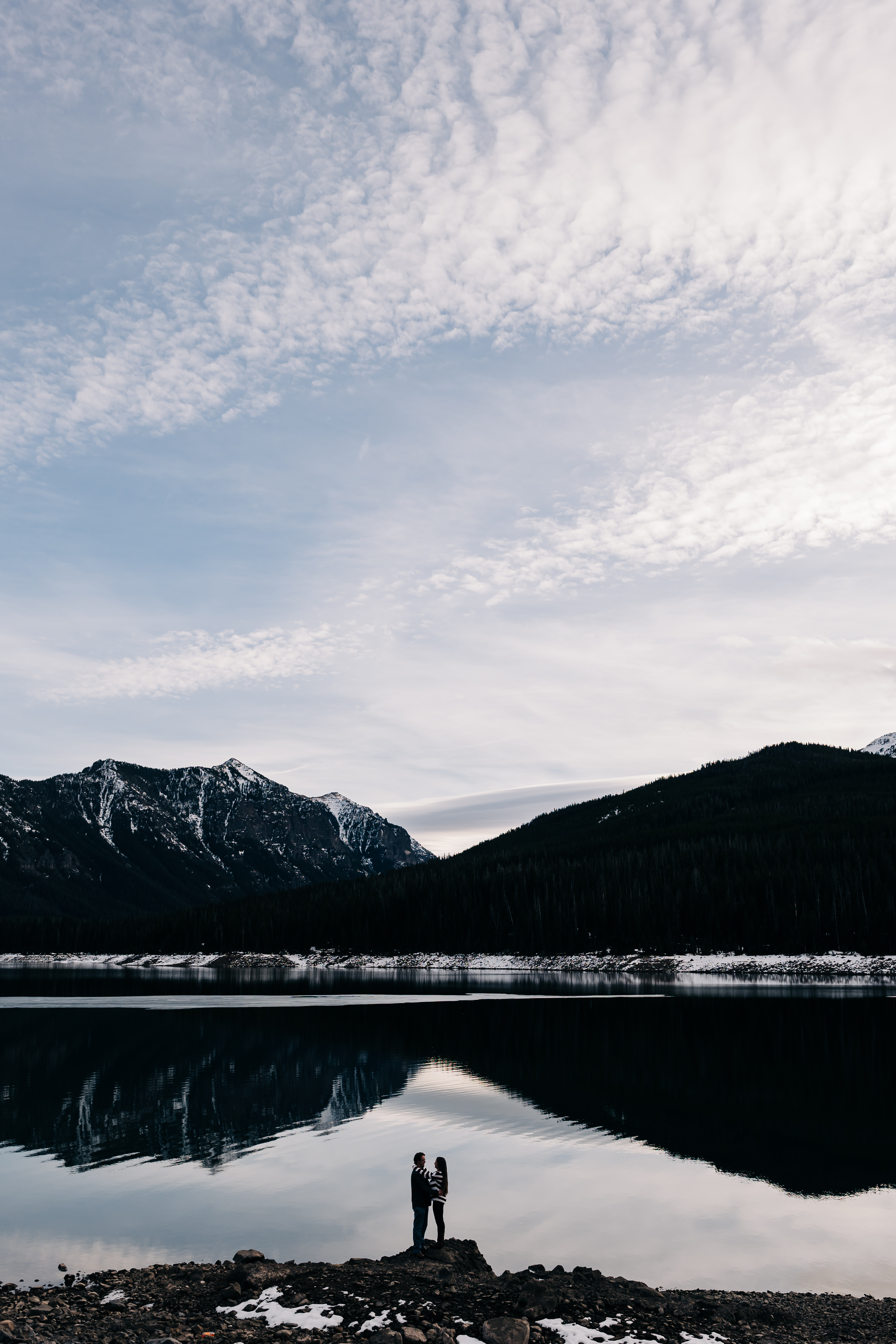
Glacier National Park
Glacier National Park is one of the most iconic national parks in the country, and it’s easy to see why. With its towering mountain peaks, crystal clear lakes, and lush forests, Glacier National Park offers some of the most breathtaking scenery in the world, making it arguably one of the best places to elope in Montana. Couples can exchange vows in front of stunning backdrops, like the towering peaks of the Continental Divide or the serene waters of Lake McDonald.
One of the best things about eloping in Glacier National Park is the abundance of outdoor activities available. Couples can spend their days hiking, fishing, kayaking, or rock climbing, making their elopement an unforgettable adventure.
Since Glacier is a very popular destination in the summer months it is important to get your permit ASAP. One quick note Glacier doesn’t tend to fully open in June due to large amounts of snow. Shoot for July-September to be safe as October can start to get snowy.
Yellowstone National Park
Yellowstone, America’s first national park, is another fantastic elopement location. The park’s geysers, hot springs, and vibrant forests make for unique and dramatic wedding photos. Old Faithful and the Grand Prismatic Spring are iconic spots but don’t overlook hidden gems like the Lamar Valley. Again, permits are required, and the park can be busy during the summer months. The advantage of Yellowstone is that you are able to access parts of the park year-round!
Due to Yellowstone’s proximity to Big Sky and Bozeman, it also offers an abundant amount of outdoor activities, great shopping, amazing restaurants, and beautiful hotels.
Other Locations for your Montana Elopement
Montana is full of hidden gems. Flathead Lake, with its crystal-clear waters, is perfect for a serene lakeside elopement. The Beartooth Mountains offer breathtaking vistas and secluded spots for a truly intimate ceremony. Each location has its own charm and practical considerations, so do your research and choose the one that resonates with you the most.
Planning Your Montana Elopement
Once you have picked your location it’s time to start planning!
What Do You Need to get married in Montana? – Montana Marriage License Requirements
Planning an elopement in Montana involves some practical steps. First off, you will need a marriage license. This can be obtained from any county clerk’s office.
Before heading over to get the license you will need the following:
- $53 (weird number right) Cash, Visa, or Mastercard (There is a $2.33 processing fee for cards) – ** Not every county will accept a credit card. Check with your county clerk’s office to be sure!**
- Valid picture identification (driver’s license, passport)
- Birth Information including City, County, State or Foreign Country
- Social Security Number
- Fathers’ first, middle, and last name, current residence, and birth state
- Mothers’ first, middle, and maiden name, current residence, and birth state.
- Any information regarding previous marriages including date, county, and state of dissolution or death of a spouse
- Must be at least 18 years of age OR:
- Parental Consent–Parents or legal guardians must sign Marriage Application and the signatures must be notarized.
- Counseling–Proof of two counseling sessions, not less than ten days apart.
- Judicial Approval–A District Court Judge must approve and sign the Marriage Application. The Judge may require a conference with applicants and guardian(s).
- You will need Two witnesses, of no specific age present at your marriage ceremony to sign the marriage license thereafter.
- The license will expire after 180 days, so be sure not to get it too early!
The Rubella Blood Test – What is needed to get married in Montana
In the past, you were required to get a Rubella Blood Test when getting married in Montana. This is no longer necessary!
Officiant laws in Montana – Who can marry you in Montana
One little-known fact about getting married in Montana is that a wedding officiant is not required to register with any government office prior to your ceremony. You may be wondering, does this mean that anyone can perform your ceremony? The answer is yes, anyone can marry you. Even you…
This is known as self-solemnization. For more info check out the following resources.
https://marriagelicense.io/us/montana
Best Time of year for a Montana Elopement
The best time to elope in Montana really depends on your preference. Each season offers a unique beauty—spring brings wildflowers, summer offers long, warm days, fall showcases vibrant colors, and winter provides a snowy wonderland.
When it comes to accommodations, Montana has something for everyone—from rustic cabins to luxury resorts. Local vendors are a treasure trove of creativity and can help you personalize your elopement. I’ve worked with some incredibly talented florists and caterers who’ve added a special touch to the ceremonies.
Elopement Day Timeline
A well-planned timeline can help your elopement day go smoothly. Here’s a sample:
- Sunrise: First look and couple’s photoshoot
- Morning: Ceremony
- Afternoon: Celebration meal and rest
- Evening: Sunset photoshoot
Remember, this is your day. Take time to soak in the moments, breathe in the fresh Montana air, and revel in your love for each other.
Capturing Your Elopement: Photography Tips
As a photographer, I can’t stress enough the importance of professional photography for your elopement. These are moments you’ll want to relive, for a lifetime!
For the best photos, consider the lighting. Early morning and late afternoon offer the best natural light. Don’t be afraid to be yourselves in front of the camera—authentic emotions make for the most powerful images.
Conclusion
Eloping in Montana is an adventure—a celebration of love in the heart of nature’s grandeur. From choosing the perfect location to capturing the intimate moments, every step is a journey towards creating memories that will last a lifetime.